Finding reliable patio restaurant and lounge reviews comes down to three things: making sure you're looking at the right venue (not a similarly named one), reading for patterns rather than star averages, and filtering what you find through the lens of your actual goal for the night. Once you nail those three steps, deciding whether a spot is worth your time takes about ten minutes.
Patio Restaurant and Lounge Reviews: How to Decide Fast

Peter Morrison
23 May 2026
How to find the right patio restaurant & lounge reviews in your area
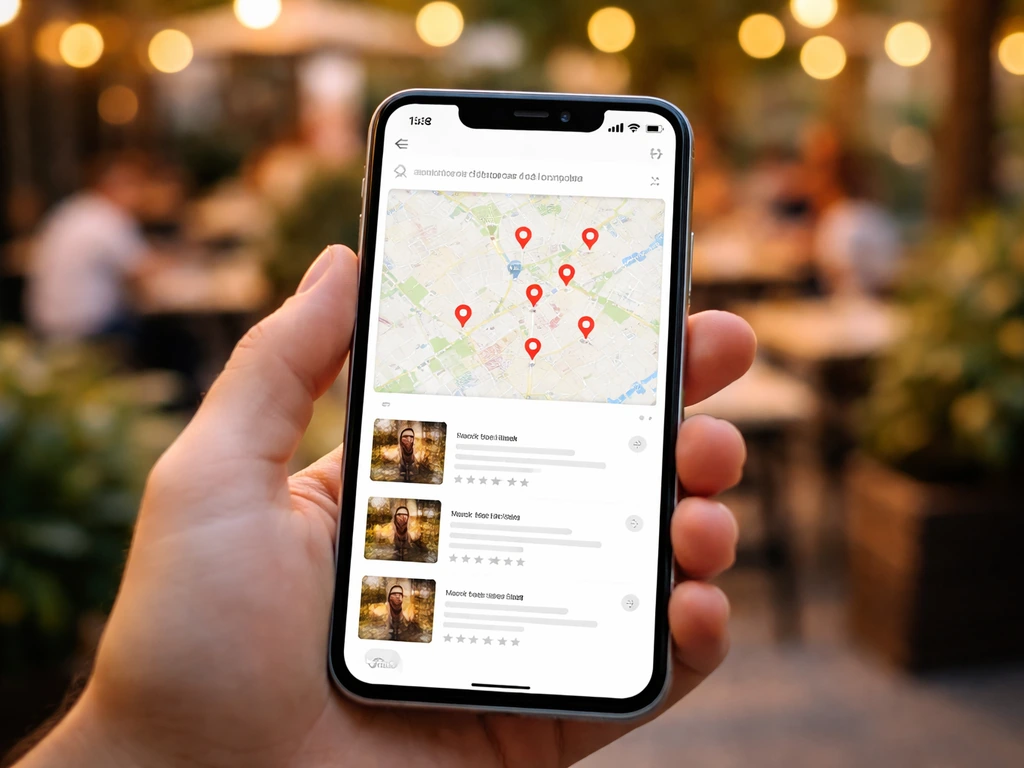
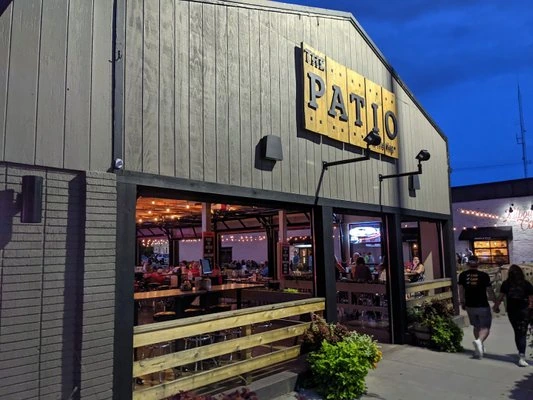
This sounds obvious until you start searching. Type something like "El Patio Lounge" or "Personas Patio Restaurant and Lounge" into Google and you'll often get a stack of results that look almost identical. Venue names in the outdoor-dining world heavily reuse words like patio, lounge, terrace, and garden, which means you can easily pull up reviews for a completely different place in a different city.
The fix is to anchor your search with the city or neighborhood from the very first keystroke. On Yelp, search with the location included in your query (e.g., "El Patio Lounge Austin") and then double-check the address on the listing before you read a single review. On Tripadvisor, if a venue has changed names at the same address, the listing may still carry older reviews under the old name, so confirm the address matches before drawing conclusions. On Google Maps, tap the address and verify it drops a pin where you expect.
Facebook Pages are another source people overlook. The business address and map pin on a Facebook Page tie directly to how that Page surfaces in location searches, so if the address looks off, treat the reviews there with extra skepticism until you verify the correct location. Once you've confirmed you're on the right page, check Recommendations filtered by Most Recent so you're seeing current feedback, not something from three years ago when the place had a different owner.
- Always include the city or neighborhood in your search query
- Verify the street address on every platform before reading reviews
- On Tripadvisor, check whether the listing name matches the current business name at that address
- On Google Maps, confirm the pin drops in the right location
- On Facebook, filter Recommendations by most recent to catch any ownership or quality changes
What to look for in patio reviews (atmosphere, seating, service)
The star rating is the last thing I look at. A 3.8 with 400 reviews tells you almost nothing on its own. What you want are the details buried inside individual reviews, specifically the words people reach for when they're describing the patio itself: shade, noise, crowded, heaters, misting fans, seating comfort, wait times, and how attentive the staff were once you were seated.
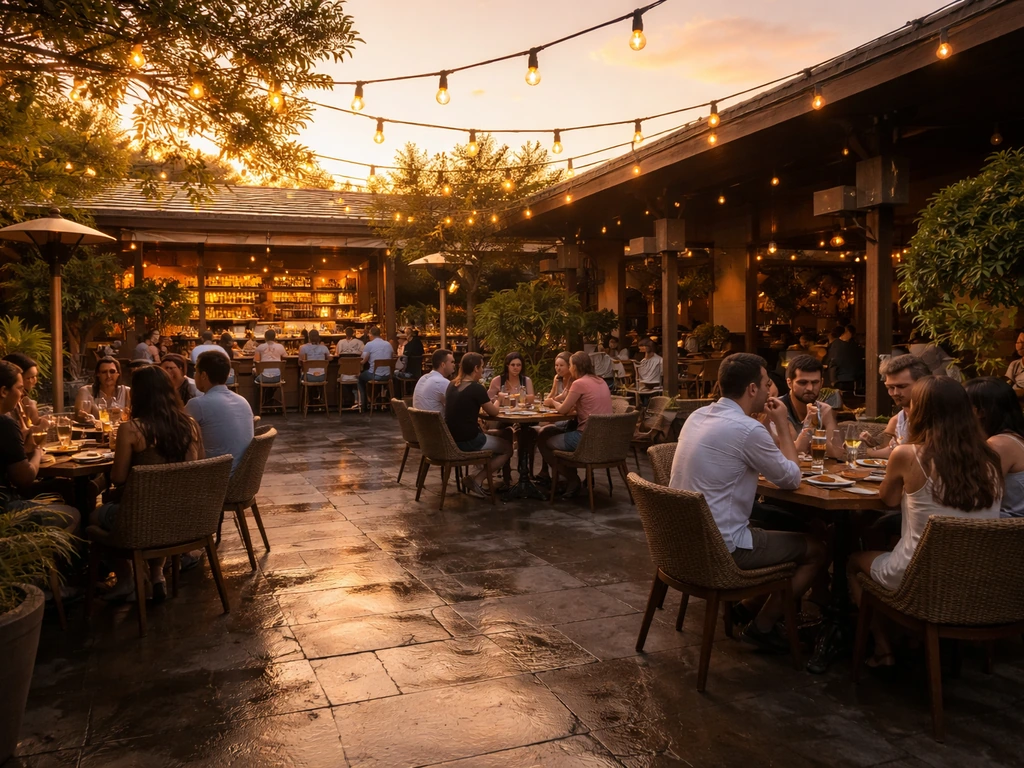
Atmosphere and noise level are the most subjective factors, so look for volume and consistency. One person complaining about noise is just one person. Eight people over three months mentioning that the music was too loud to hold a conversation is a real pattern. The same logic applies to shade and heat: a review from December praising the open-sky patio tells you very little about a July visit. Filter by season or time of year on Tripadvisor and Google to pull reviews that match when you're actually planning to go.
For service, separate the two complaints you'll most often see: speed and attentiveness. Slow service on a busy Saturday night is different from slow service on a Tuesday. When reviewers specify the day and time, that detail is gold. Sort by Newest First on Yelp or Google to see whether service complaints cluster in a recent window, which can indicate a staffing change, or whether they're scattered across years, which suggests it's just the venue's pace.
Seating comfort and patio layout

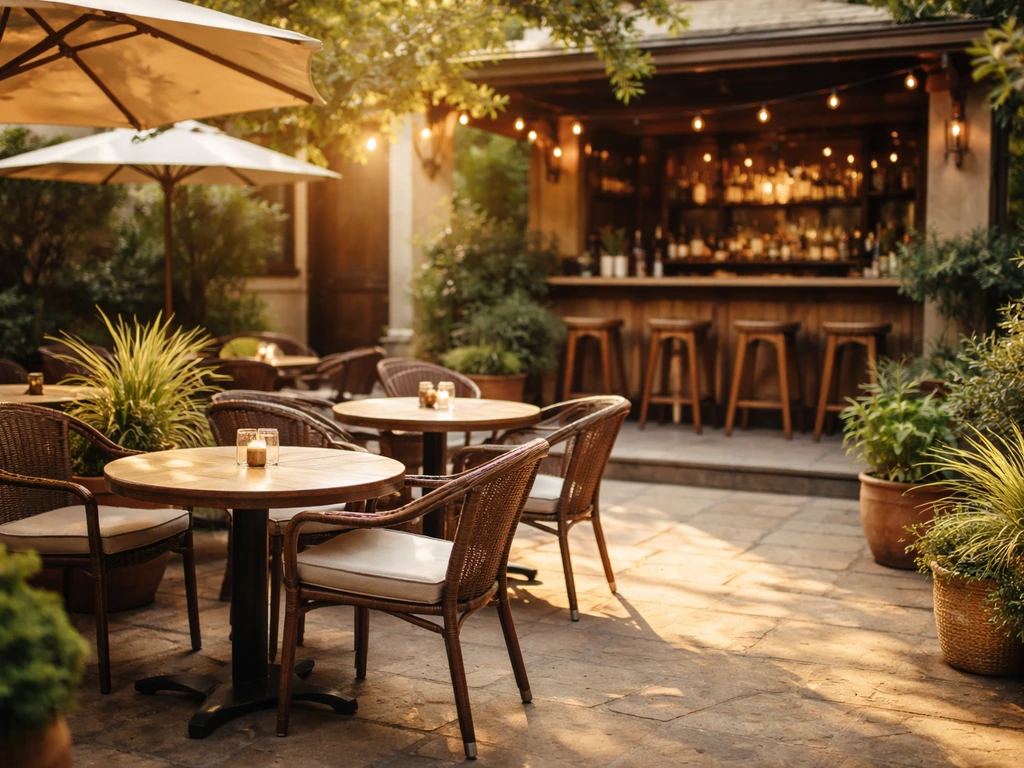
Seating quality gets mentioned less than food and drink, but it matters a lot for longer visits. Look for comments about chair comfort, table spacing, and whether there's a covered or semi-covered section. Venues like the ones you'll find reviewed in related spots across this site (including garden-style patios and alley-style lounges) vary wildly on this. A place with mismatched metal chairs and no shade might be totally fine for a quick drink but brutal for a two-hour group dinner.
Food review criteria for patio grill and outdoor dining
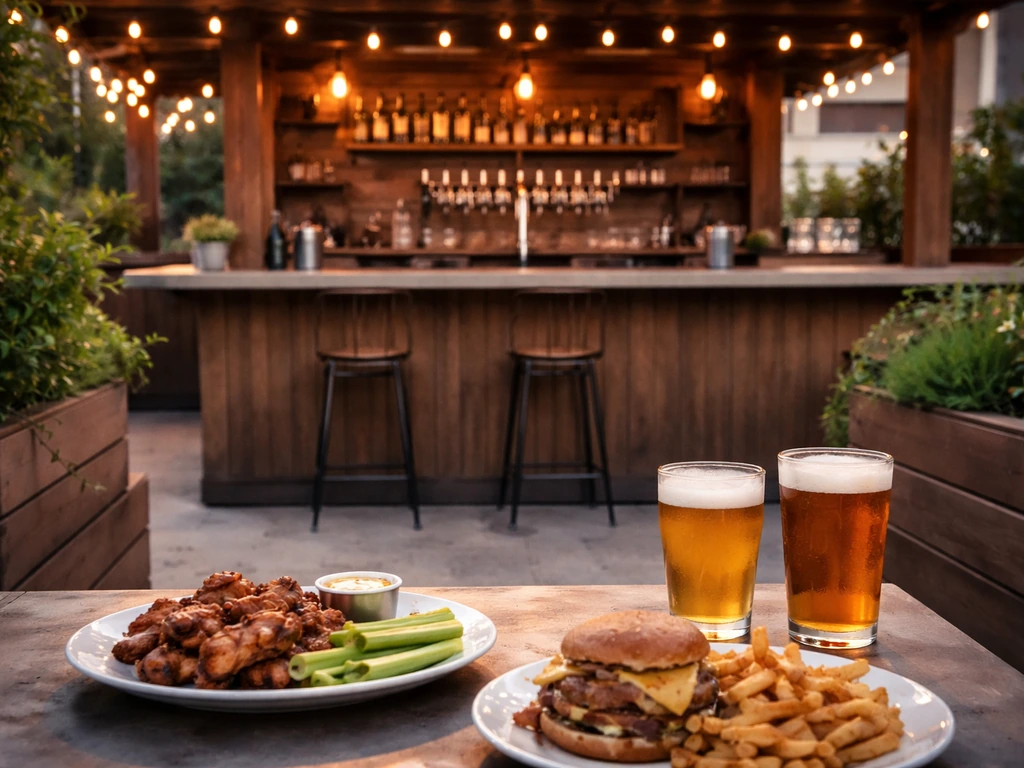
Patio and grill menus come with their own quirks that don't apply to indoor dining. Food sitting longer because a server is covering more ground outside, inconsistent cook temps on a grill that's dealing with wind, and limited kitchen capacity during a full-patio rush are all legitimate variables. When you read food reviews for an outdoor venue, keep this context in mind.
What you're looking for is consistency across recent reviews. If five people in the past two months mention that their burger arrived cold or that the kitchen was backed up, that's a systemic issue, not a one-off bad night. If someone gives one star because their steak was undercooked six months ago and nobody else mentions it, discount it. Reviews that include specific dishes, specific preparation problems (overcooked, under-seasoned, arrived cold), and timing details (waited 45 minutes) are the ones worth weighting heavily.
Also pay attention to what kind of food the venue is actually good at. Many patio lounges do drinks extremely well and food as an afterthought. Others, like dedicated grill-focused patios, put real effort into the kitchen. Reviews that say "the food is just okay but the vibe is incredible" are useful data points, not failures. They're telling you exactly what to order (snacks, not entrees) and what to prioritize (the experience over the meal).
Drink and bar criteria: cocktails, beer, and wine on the patio
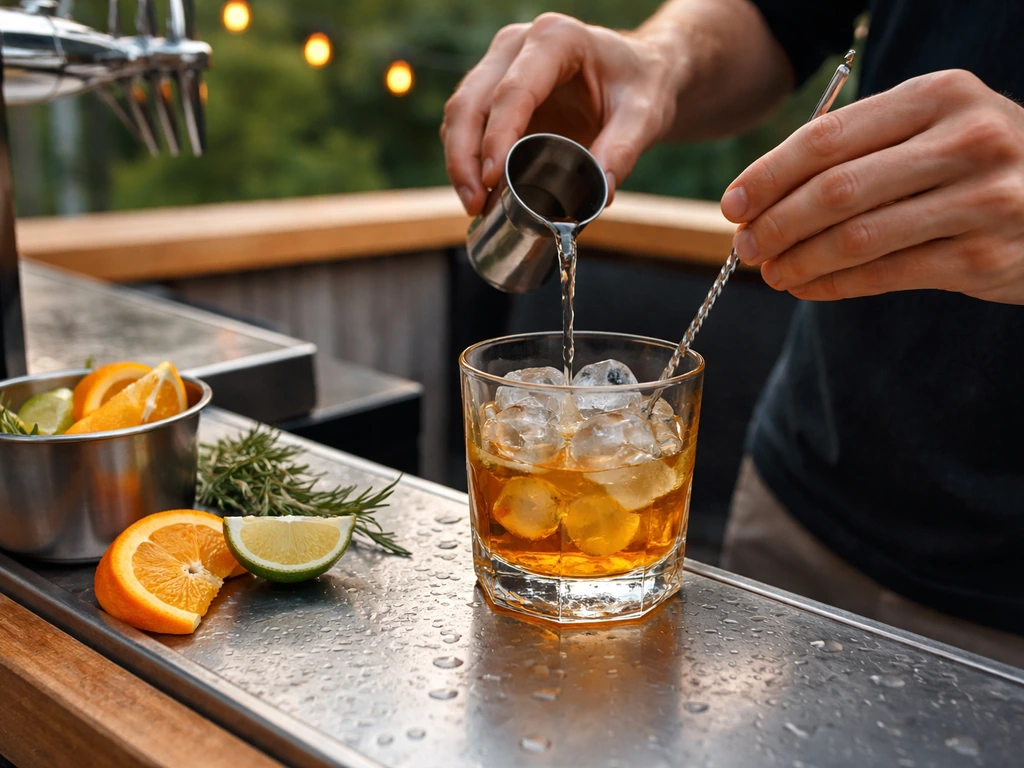
Bar quality on a patio is its own category. You're often dealing with a service bar rather than a full bar setup, which affects both speed and execution. When you read drink reviews, look for three things specifically: comments about watery cocktails, warm beer, and how long drinks took to arrive.
Watery cocktails on a hot patio are often a dilution problem. Outdoor temperatures accelerate ice melt, and if a bar isn't adjusting its technique for that, your drink will taste thin by the time it reaches your table. If multiple reviewers mention weak or watery drinks without explaining it as "light pour," that's a real signal about the bar's quality control. On the beer side, serving temperature matters more than most people realize: beer that's allowed to sit on a warm patio tray loses character fast and can taste flat or off. Reviews mentioning warm beer consistently are flagging a service-flow problem, not just bad luck.
Cocktail speed is trickier to judge. A simple draft beer or a rum and Coke comes together in seconds. A proper craft cocktail involves shaking, straining, and sometimes muddling, which takes around a minute under good conditions. So when a reviewer says "drinks took forever," check whether they were ordering from a specialty cocktail menu during peak hours.
Tasting Table notes bartender timing as a rule of thumb, such as about a minute for a classic martini, with more complex specialty cocktails often taking longer ordering from a specialty cocktail menu during peak hours. That context changes whether the complaint is valid or unrealistic.
What you don't want to see is repeated mentions of slow drinks on weeknights or slow service for simple orders.
Experience fit: dates, groups, families, and special occasions
This is honestly the most underused filter in review reading. Most people look at the star average and decide. The smarter move is to read reviews written by people who visited for the same reason you're going. Tripadvisor lets you filter by Traveler Type (couples, families, solo, groups), and that single filter can completely change the picture of a venue.
| Visit type | What to look for in reviews | Red flags to watch for |
|---|---|---|
| Date night | Intimate seating, lower noise levels, attentive service, good cocktail selection | Mentions of loud music, crowded tables, slow service, or a party atmosphere that kills conversation |
| Group gathering | Large table availability, shareable menu items, good beer/pitcher options, quick drink refills | Reviews noting long waits for large parties, limited group-friendly seating, or servers ignoring the table |
| Family outing | Kid-friendly menu, spacious layout, accessible seating, reasonable noise tolerance | Complaints about cramped seating, heavy bar focus, late-night crowd bleeding into early evening |
| Special occasion | Reservation availability, attentive staff, quality food execution, celebratory atmosphere | Inconsistent service reviews, repeated food timing complaints, or a venue that feels more bar than restaurant |
Different patio venues genuinely suit different crowds. A place that earns rave reviews as a weekend group hangout spot might be exactly wrong for a quiet anniversary dinner. Venues like dedicated garden patio lounges or neighborhood back-patio spots each attract a different energy, and you can feel that difference just by reading ten carefully filtered reviews. The goal is to match the venue's natural energy to what you actually need from the night.
Using reviews to decide: scoring, red flags, and best times to go
Here's the decision framework I actually use. Instead of looking at the overall star average, I mentally score each venue across four categories: atmosphere/vibe, food quality, drink quality, and service. I read at least 15 to 20 recent reviews (past three to six months), sort them by Newest First on at least two platforms, and tally how many mention problems versus praise in each category. A venue that scores well in three of four categories is usually worth going to, especially if the weak category is something you can work around.
Cross-platform checking matters here. Sort the same venue's reviews by Newest, Most Relevant, and Lowest Rating on Google Maps separately, because each sort mode surfaces a different slice of the feedback. A venue can look excellent on Most Relevant (which tends to surface well-written positive reviews) but show a pattern of recent service complaints when you flip to Newest. That gap is useful information.
Red flags that should make you pause
- Multiple recent reviews mentioning the same specific problem (e.g., 'waited an hour for food' or 'drinks arrived warm') across different platforms
- A cluster of five-star reviews with no specifics posted within a short window, which can indicate review manipulation
- One-star reviews with no detail about the patio, food, or drink, just vague complaints about staff
- Owner responses that are defensive rather than solution-focused
- A big drop in review quality after a certain date, which often signals an ownership or management change
Best times to visit a patio venue
Reviews are also your best guide to timing. Look for comments that mention day of week and time of arrival. Patio venues typically hit their stride mid-week when the crowd is lighter and staff are less stretched. If you want the full patio energy without the chaos, reviewers who went on a Thursday evening and raved about the service are giving you better intelligence than someone who went on a packed Saturday and had a rough time. Seasonal mentions matter too: a patio with no shade cover that gets praised in April will be miserable in July, so filter reviews by season when the research data allows it.
Next steps: how to verify details and plan your visit
Once you've decided a venue looks promising, do a quick verification pass before you go. Reviews can lag reality by weeks or months, and things like hours, reservation policies, and menu formats change without much fanfare online.
- Confirm the current hours directly on the venue's website or Google listing, not from a review that mentions hours in passing
- Check whether reservations are needed, especially for groups of four or more on weekends, since patio seating is often first-come-first-served and fills fast
- Look at the most recent user-uploaded photos on Google Maps or Yelp to get a current sense of the patio layout, seating, and shade situation
- Verify the exact address and parking situation, especially for venues with confusingly similar names in the same city
- If the venue has a bar/lounge focus, check whether the kitchen closes earlier than the bar, which some reviews mention and can catch you off guard if you arrive late expecting food
- For special occasions or date nights, call ahead to ask about the patio setup: covered vs uncovered, heaters available, noise level on the night you're planning to go
The whole point of reading patio restaurant and lounge reviews is to walk in with calibrated expectations, not no expectations. For a practical example of this approach, check the Alleycat Patio & Lounge reviews and compare the recurring service and seating details across recent posts. A venue that's genuinely great for drinks and atmosphere but average on food is still worth visiting if you go in knowing that.
The best reviews, and the best way to use them, is to extract the specific details that match your actual priorities and let those guide the decision. If you're specifically comparing the patio at the pit room reviews, still cross-check that you have the right address and current name before you weigh what people say about the patio experience.
If you want to go a step further, compare what people say in the back patio reviews specifically, since that area can have its own atmosphere and service patterns patio restaurant and lounge reviews. Everything else is just noise. If you want to compare options, focus on recent terraza garden patio and lounge reviews that mention shade, seating comfort, and service consistency terraza garden patio and lounge reviews.
FAQ
How can I tell if a review is talking about the right patio location when names and addresses keep changing?
Confirm the listing pin by matching the exact street address (or unit number) on each platform, then look for at least one detail that ties to place, like the neighborhood landmark, patio description (alley vs garden), or a uniquely named entrance. If the photos or “what’s nearby” hints point somewhere else, discount the reviews even if the venue name matches.
What’s the quickest way to spot fake or biased reviews in patio restaurant and lounge reviews?
Scan for repetitive wording, identical complaint phrasing, or reviews that avoid specifics like wait time, seating type, shade, or drink temperature. Also compare the newest window to older ones, if the rating swing happens suddenly with many similar posts, treat it as a possible campaign and weight the recurring details more heavily.
Do I really need to read 15 to 20 recent reviews, or is there a faster method?
You can shorten it by targeting “decision keywords” inside the text (shade, heaters, noise, watery cocktails, warm beer, wait time). If you find 6 to 10 recent reviews with the same strong signals in one category that matches your priorities, you can move forward without reading everything, but still do a quick cross-platform check on the newest sorting.
How should I handle reviews that don’t mention the patio at all?
Ignore them for patio-specific decisions unless they describe items that directly affect the patio experience you care about, like service speed at outdoor tables or drink handling before delivery. If a review is purely about indoor ambiance, it should not sway your patio choice, especially for noise and seating comfort.
What if a place has good reviews overall but many complaints about noise?
Look for pattern details, whether the music is described as “too loud to talk” versus “fine earlier in the night.” If complaints cluster around weekend evenings, you can often solve it by booking earlier, requesting a quieter patio section, or choosing a table farther from the music or bar.
How can I use timing information in reviews without overthinking it?
Prioritize day of week and arrival time, reviews that mention “arrived at 8” and describe speed or crowding are more useful than generic “busy.” If most negative notes happen right after peak arrival windows, plan a staggered arrival or order drinks immediately to avoid the rush cycle.
When reviewers complain about slow service, how do I separate staffing issues from order complexity?
Use the order specificity, if the slow reviews focus on specialty cocktails, mixed-drink menus, or large groups with multiple rounds, the delay may be process-related. If reviewers mention slow service for simple items like draft beer or water, that points more toward staffing or bar workflow problems.
What should I do if the menu items people rave about don’t match what I want to order?
Look for preparation-quality mentions tied to the category you care about (for example, “arrived cold,” “overcooked,” “undercooked,” “grilled over wind,” “served immediately”). Then match your intended order to the closest described dish type, if the review detail is about one specific item, don’t extrapolate to the whole menu without corroboration.
How do I account for seasonality when judging shade and heating claims?
Only compare reviews from the same season you plan to visit, or at least within a couple of months. Also watch for patio configuration changes, some venues close heaters or alter coverings seasonally, which can make “great in winter” irrelevant to a summer dinner.
Is it worth booking reservations based on patio restaurant and lounge reviews?
Yes, but verify the reservation and waitlist policy directly before you go. Reviews often describe how long patrons waited for the patio, which can differ from the reservation system, especially if walk-ins are seated as the patio opens or fills up.
How should I interpret “warm beer” or “watery cocktails” complaints?
Treat them as service-flow and handling issues rather than one bad batch, especially when multiple reviewers mention temperature or dilution. If the reviews also mention delayed delivery to tables, the problem may be pacing, so consider ordering drinks at the start of your seating time or choosing a spot closer to the service bar.
What if the patio has different seating zones, and reviews seem mixed?
Look for reviewers naming the section, like “covered,” “near the heaters,” “semi-enclosed,” “front patio,” or “back patio.” If the negative reviews are concentrated in one zone, you can still choose the venue by selecting the better area rather than dismissing the entire place.
How do I decide whether I should go for drinks only versus a full meal?
Let drink quality and speed be your primary filter if the reviews repeatedly frame food as secondary. If you see consistent comments like “great cocktails, basic bites” or “food fine but not a destination,” plan on ordering shareables and prioritize seating comfort, rather than expecting entree-level execution.
What’s a smart “verification pass” checklist right before I drive over?
Recheck the hours for that day, the current menu format (patio menus sometimes change), reservation or walk-in rules, and whether the venue is hosting an event that could affect noise. Also confirm the venue name and pin one last time to avoid ending up at a similarly named patio in the wrong neighborhood.