Title: Patio Tapas and Beer Reviews: How We Rate Outdoor Dining Venues Across North America Meta description: Discover how Patio Bar Reviews rates patio tapas and beer venues, our scoring rubric, review format, comparison tools, and tips for finding your next great outdoor spot.
Patio Tapas and Beer Reviews: North America Patio Guide & Tips

Peter Morrison
17 Jul 2026
Who this guide is for and what you'll get out of it
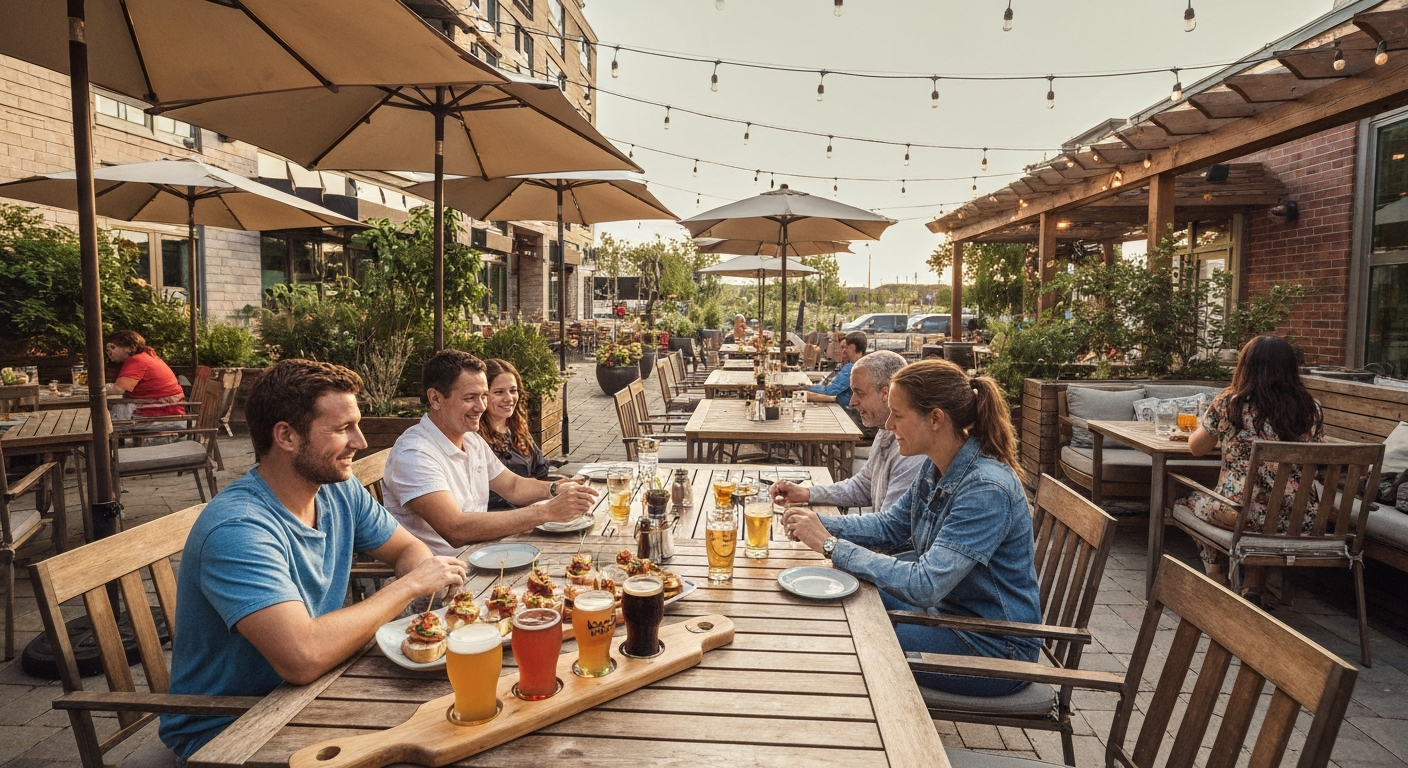
If you've ever shown up at a patio tapas spot on a Saturday evening, only to find zero shade, warm draft beer, and wobbly plastic chairs, you already understand why a dedicated review platform matters. This guide is written for the people who plan those evenings: casual diners looking for a laid-back weeknight beer and bites, couples scouting a date-night patio with atmosphere, and groups trying to lock down somewhere that can actually handle eight people without chaos. It covers exactly how Patio Bar Reviews evaluates patio tapas and beer venues, what our scores mean, how to read the aggregated ratings on venue pages, and how to write a review that genuinely helps the next person. Whether you're hunting for a Coral Springs neighborhood spot, a craft-forward tap house, a meadery with outdoor seating, or a brewpub with a full tapas menu, the framework here applies everywhere.
What we actually review, the six categories that matter
Patio tapas and beer venues are a specific beast. They're not just restaurants with a few chairs outside, and they're not just bars with some cheese boards. The best ones deliver a complete outdoor experience, and that means we evaluate across six distinct categories every time.
Patio atmosphere
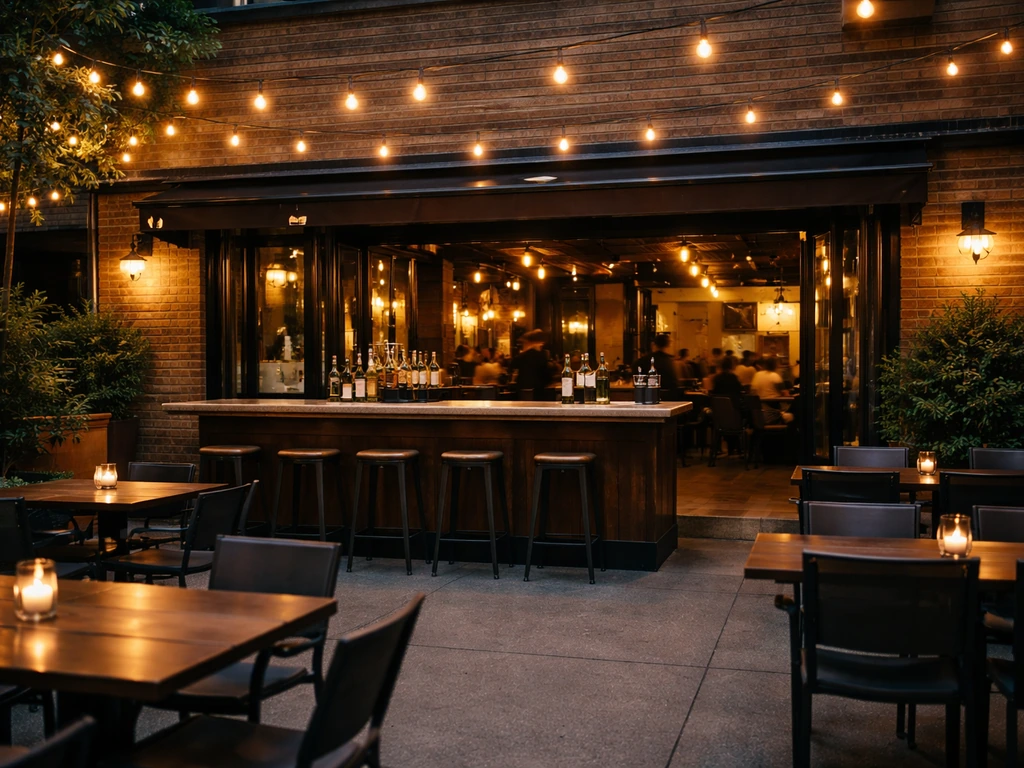
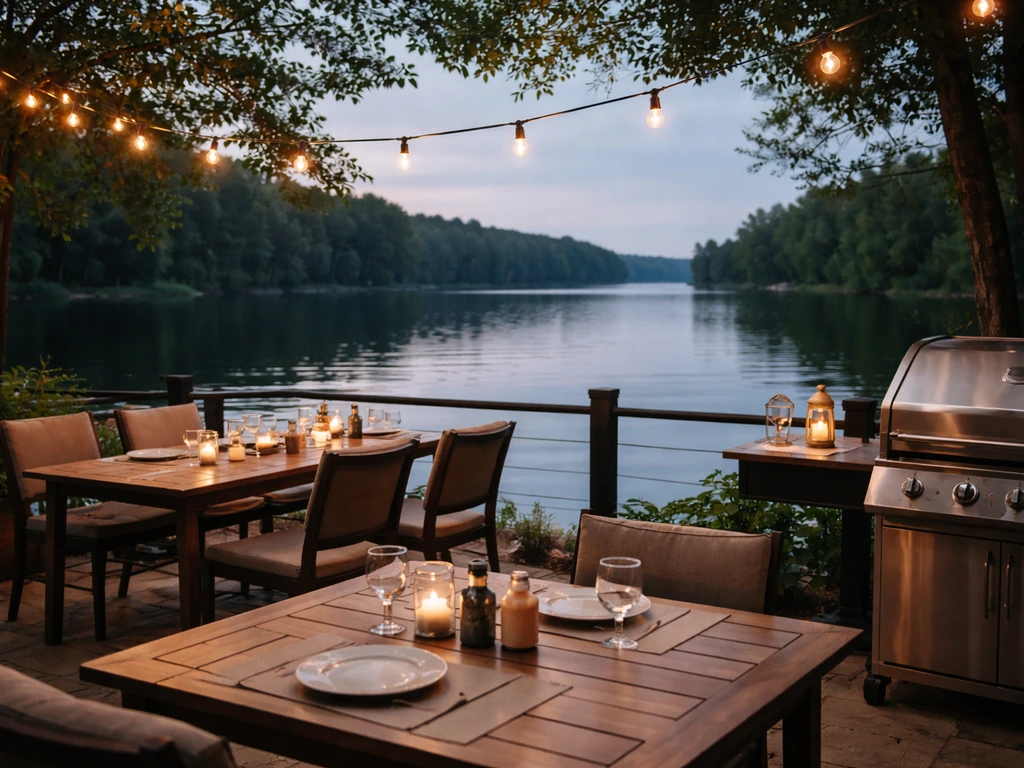
This covers the physical environment and the vibe it creates: seating comfort, shade coverage and weather readiness (pergolas, umbrellas, misters, heaters), noise levels, lighting after dark, landscaping, and whether the layout actually allows for conversation. A patio with great food but zero shade in a Florida August is a fundamentally different experience than the same patio in October. We note seasonal limitations explicitly.
Tapas and food quality
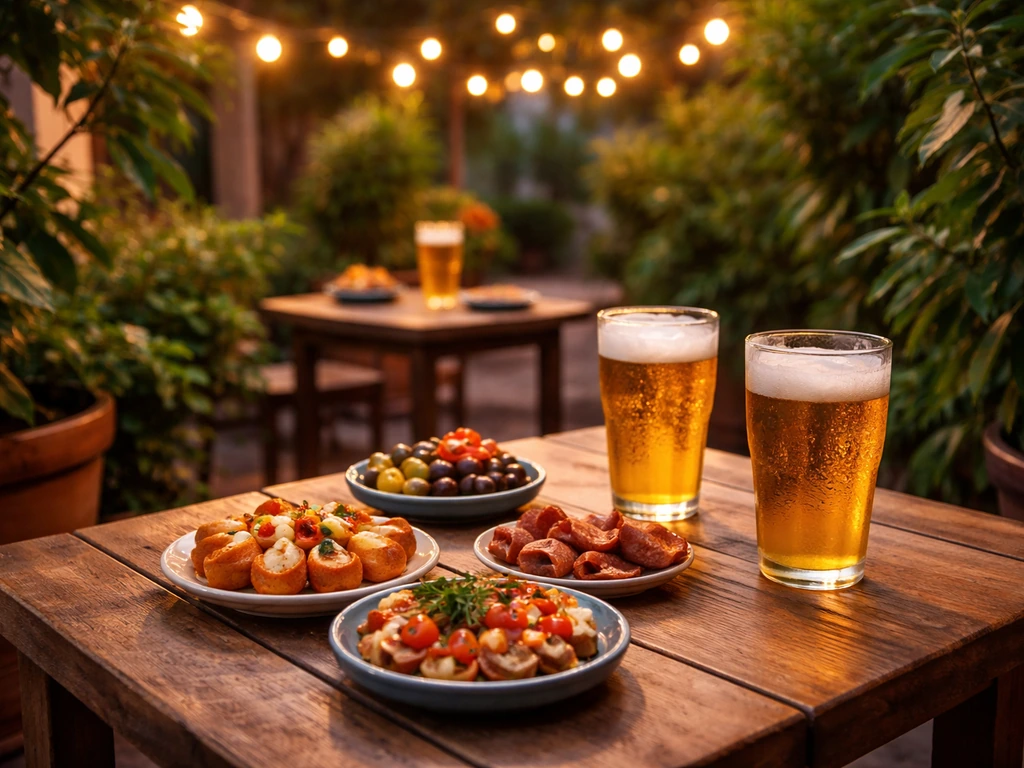
Tapas-style menus invite sharing, which makes portion sizing and price-per-bite important. We evaluate freshness, ingredient quality, how well dishes hold up when eaten outdoors (some things just don't survive a warm patio breeze), menu breadth, and whether the kitchen actually executes the concept or just serves appetizer platters under a tapas label. Specific menu highlights and disappointments always appear in individual venue reviews.
Beer and drink selection
We look at draft-line count and rotation, whether the tap list skews local and seasonal or leans on macro lagers, can and bottle options, wine and cocktail availability for non-beer drinkers, and the overall quality of what's pouring. For tap houses and brewpubs with their own brewing programs, we evaluate the beers themselves more closely, appearance, aroma, flavor balance, and whether the pours arrive at proper temperature. Venues like The Hive Patio Bar and Meadery also bring mead into the picture, which we assess on its own merits rather than comparing it to beer.
Service
Outdoor service has its own rhythms. Tables spread farther apart, servers cover more ground, and outdoor noise can complicate communication. We evaluate attentiveness, knowledge of the menu and beer list, speed for a patio setting (not a kitchen setting), and whether staff proactively handle outdoor-specific issues like refilling water when it's hot or checking in during weather changes.
Outdoor amenities
This is the category most review platforms skip, and it's often the deciding factor for our readers. We check for dog-friendly seating areas, family and high-chair accommodation, accessible pathways and seating for guests with mobility needs, parking proximity, live music or entertainment schedules, fire features, lawn games, and reservation availability for patio tables specifically (not just indoor tables).
Value
Value isn't just cheapness. It's the relationship between what you pay and what you actually get. A round of four tapas plates and a flight of craft drafts that totals $55 per person might be excellent value at one venue and a ripoff at another, depending on quality and portion size. We track average tapas price ranges and typical beer pricing and weigh them against the overall experience.
Our rating system and what the badges mean
We use a weighted 100-point editorial score, broken into the six categories above. Each category is scored independently on a 1–10 scale, then multiplied by a category weight to reflect how much it matters to the overall patio tapas and beer experience. The final score maps to one of five published badge tiers. Here's the full breakdown.
| Category | Weight | Max Points | What a 10 looks like |
|---|---|---|---|
| Patio Atmosphere | 25% | 25 | Comfortable seating, excellent shade/weather cover, great lighting, low-to-moderate noise, strong visual design |
| Tapas & Food Quality | 25% | 25 | Fresh, well-executed, patio-appropriate dishes with good portion value and genuine menu depth |
| Beer & Drink Selection | 20% | 20 | Wide rotating draft selection, local/craft focus, quality pours, solid options for non-beer drinkers |
| Service | 15% | 15 | Attentive, knowledgeable, patio-aware staff with fast response times |
| Outdoor Amenities | 10% | 10 | Dog-friendly, accessible, family-ready, reservable patio, entertainment or extras |
| Value | 5% | 5 | Pricing is fair and transparent relative to quality and portion size |
The five badge tiers are: Gold Patio (90–100), Silver Patio (75–89), Verified Pick (60–74), Mixed Bag (45–59), and Skip It (below 45). Gold and Silver badges require a minimum of three independent editorial visits or a combination of one editorial visit and 20-plus verified user reviews averaging 4.0 stars or higher. Badges are reviewed annually and can be upgraded or removed based on new visits and review trends. This is modeled loosely on tiered systems used by platforms like Michelin (qualitative tiers) and adapted with transparent numeric anchors so readers understand exactly what a badge represents, unlike a star system that can mean different things on different platforms.
| Badge | Score Range | What it signals |
|---|---|---|
| Gold Patio | 90–100 | An exceptional outdoor tapas and beer experience; worth a special trip |
| Silver Patio | 75–89 | A strong, reliable venue with minor gaps; consistently good for most occasions |
| Verified Pick | 60–74 | Solid but uneven; good for certain occasions or if you know what to order |
| Mixed Bag | 45–59 | Significant highs and lows; read the full review before committing |
| Skip It | Below 45 | Consistent problems across multiple visits or categories; not recommended |
What a full review looks like, the format explained
Every venue review on this site follows the same structure so you can scan quickly or read deeply depending on how much time you have. Here's what each section contains and why it's there.
Review headline and quick facts
The headline names the venue and leads with the most important single thing to know about it, for example: 'Founders House Pub and Patio: A Neighborhood Brewpub Where the Deck Outshines the Indoor Bar. For a real-world example of this format, see our Brew Top Pub and Patio review for a full scorecard, photos, and quick facts. ' Quick facts beneath the headline list address, hours, price range (one to four dollar signs), reservation availability, dog-friendly status, and the overall badge. See our Founders House Pub and Patio reviews for a full example of a headline and quick facts layout.
Scorecard
A visual scorecard shows the six category scores and the weighted total. Individual scores sit beside short one-line descriptors (for example, 'Beer Selection: 8/10, strong rotating local taps, weak wine list') so the numbers mean something at a glance.
Summary paragraph
Two to three paragraphs covering the overall experience: what kind of venue it is, who it's best for, what one specific moment or detail captured the atmosphere (a first-person anecdote works well here), and the headline takeaway on food and drinks.
Menu highlights
Three to six specific dishes and two to four specific beers or drinks called out by name, with a one or two sentence description for each. Vague language like 'the food was good' isn't useful. 'The patatas bravas arrived crispy and properly seasoned with a smoky aioli that held up even after sitting for five minutes in the heat' is. For venues with a published menu page, like the Brew Top Pub and Patio menu, we link directly to it so readers can preview before visiting.
Pros and cons list
- Pros: up to five specific, concrete strengths backed by what was observed during the visit
- Cons: up to five honest, specific shortcomings — not complaints, just genuine gaps or limitations
- Each pro or con gets one sentence max; vague entries like 'great atmosphere' are cut
Photos
Each published review includes a minimum of four images: the patio overview, a food dish, a beer or drink pour, and at least one detail shot (lighting, seating, shade structure, or outdoor amenity). All photos are either captured by our editorial team or submitted by verified reviewers with explicit permission to publish. We do not use unlicensed images scraped from social media. If you're submitting photos with a user review, see the reviewer tips section below.
Comparing patio tapas and beer venues side by side
When you're deciding between two or three venues for a group outing or date night, a comparison table cuts through the noise faster than reading three full reviews. Our venue comparison pages use a standard template with the following columns. For accessibility best practices when designing comparison tables, clear captions, scoped <th> headers, and simple header rows, see WebAIM's guidance on creating accessible data tables. Here's the template with example data from a set of patio tapas and beer venues to illustrate how to read it.
| Venue | Patio Size | Seating Type | Shade/Cover | Dog-Friendly | Reservations | Avg. Tapas Price | Draft Taps | Noise Level | Best For |
|---|---|---|---|---|---|---|---|---|---|
| Founders House Pub & Patio | Large (60+ seats) | Mixed: tables + lounge | Partial pergola | Yes | Yes (patio) | $8–$14/plate | 18 taps | Moderate | Groups, date night |
| The Tipsy Turtle Patio & Grill | Medium (30–50 seats) | Tables only | Umbrellas | No | Walk-in only | $7–$12/plate | 12 taps | Lively | Casual dining, friends |
| The Hive Patio Bar & Meadery | Medium (30–45 seats) | Mixed: tables + bar seating | Full canopy | Yes | Yes (limited) | $9–$15/plate | 8 taps + mead flights | Low-moderate | Date night, curious drinkers |
| The Patio Taphouse | Large (50+ seats) | Tables + community benches | Partial shade sails | Yes | Yes | $8–$13/plate | 24 taps | Moderate-lively | Groups, beer enthusiasts |
| Patio Tapas & Beer (Coral Springs) | Medium (25–40 seats) | Tables | Umbrellas + awning | No | Walk-in recommended | $7–$11/plate | 10 taps | Moderate | Neighborhood casual, date night |
A few notes on reading this table: patio size estimates are based on observed seating capacity and can change seasonally. Draft tap counts reflect the tap list at the time of the editorial visit and rotate frequently, especially at venues with a brewpub or tap house model. Noise level is a qualitative judgment from the reviewer's experience, a 'lively' rating on a Tuesday night might read as 'loud' on a Friday. When venue details change (hours, dog policy, reservation system), our editorial team updates the comparison table, but always confirm details directly with the venue before you go.
Tapas and beer pairing, a quick primer for the patio
You don't need to be a certified beer judge to make smart pairing calls on a patio. The basic principle is contrast or complement: either pick a beer that shares flavor notes with the dish (a malty amber with roasted patatas bravas, for example) or one that cuts through richness (a crisp dry lager alongside fried calamari or creamy croquetas). For venues offering flights, ordering a four-pour sampler and running a small tapas spread through all four beers is genuinely one of the best ways to spend an hour outdoors.
| Tapas Dish | Pairing Style | Beer Style to Try | Why It Works |
|---|---|---|---|
| Patatas bravas (spicy aioli) | Contrast | Crisp pilsner or helles lager | Cuts heat, refreshes palate |
| Jamón and manchego board | Complement | Dry farmhouse saison or pale ale | Herbal, fruity notes echo cured meat |
| Gambas al ajillo (garlic shrimp) | Contrast | Dry wheat beer or witbier | Light citrus lifts butter and garlic |
| Chorizo in cider sauce | Complement | Smoked porter or amber ale | Smoke and caramel echo sausage char |
| Cheese and charcuterie mix | Complement or contrast | Mead flight (dry to semi-sweet) | Honey notes bridge savory and sweet |
| Croquetas (ham or mushroom) | Contrast | IPA (moderate bitterness) | Bitterness cuts through creamy interior |
| Grilled flatbread or pita | Either | Session lager or kolsch | Neutral, doesn't compete with toppings |
At venues like The Hive Patio Bar and Meadery, mead flights open up pairing options that beer alone can't cover, particularly with cheese and charcuterie boards. See our full The Hive Patio Bar and Meadery Fredericksburg reviews for detailed tasting notes, patio photos, and the venue's editorial score. If a venue has a tap house or brewpub brewing program, ask your server which beers are brewed on-site, those are almost always fresher and more interesting than the guest taps, and pairing house-brewed beers with the kitchen's tapas is worth doing deliberately rather than just ordering whatever's on special. See our tap house pub and patio reviews for examples of venues with on-site brewing programs and pairing notes.
Choosing and booking the right patio, practical planning tips
The best patio experience starts before you arrive. A few things worth checking before you commit to a venue.
Weather and seasonal timing
Patio comfort is heavily seasonal and regional. South Florida venues like those in the Coral Springs area run their best patio seasons October through April, summer heat and afternoon thunderstorms make June through September a harder call. Northern venues flip the script, with peak outdoor season running May through September. Always check whether a venue has overhead cover, misters, or heaters before booking a patio-specific reservation during shoulder seasons. Our venue pages note seasonal limitations explicitly in the amenities section.
Reservations and walk-in strategy
Many patio tapas and beer venues don't take patio-specific reservations, they'll hold a table indoors but the patio is first-come, first-served. If outdoor seating is the point of the visit, call the venue directly and ask about patio reservations, don't rely on the reservation widget alone. For walk-in patios, aim for early dinner (5:00–6:00 PM) or late evening (after 8:30 PM) on weekends to avoid the peak seating crunch. Weeknight visits almost always give you better patio access and more attentive service.
Dog-friendly and family planning
Dog-friendly patios typically require that dogs stay on-leash and in the outdoor section only. Check whether water bowls and pet menus exist, it signals that the venue takes dog hospitality seriously rather than just technically permitting dogs. For families with young kids, confirm high-chair availability and whether the patio seating style (community tables versus private tables) suits your group dynamic. Lively pub-style patios with loud music aren't always a great fit for a family with a toddler, even if they're technically family-friendly.
Accessibility
Patios vary enormously on accessibility. Elevated decks, gravel surfaces, and narrow pathways between tables can be serious barriers. Our venue pages include an accessibility note in the outdoor amenities section. If accessibility is a priority for your group, call ahead, staff can often accommodate specific needs (table placement, pathway clearance) if they know in advance.
Crowding and group size
Tapas venues are naturally social and can get crowded fast. For groups of six or more, contact the venue directly rather than using a standard reservation system, which often caps party size. Ask specifically about patio group seating, some venues push large groups indoors by default even when the patio has the space.
How to read aggregated user reviews and spot real trends
User reviews on venue pages are aggregated from verified submissions and displayed as an average star rating (1–5) alongside the editorial score. These are different numbers measuring different things. The editorial score reflects standardized criteria applied consistently across visits. The user average reflects the collective experience of many diners across different times, occasions, and expectations. Both are useful, but in different ways.
When reading aggregated reviews, focus on patterns rather than outliers. A single one-star review that complains about wait time on New Year's Eve tells you less than five reviews across six months that all mention inconsistent service. Look at what multiple reviewers agree on: if eight people mention the patio is too loud for conversation, that's a reliable signal. If two people mention it, it might depend on when you visit.
Pay attention to review dates. A venue that scored 4.5 stars two years ago but is averaging 3.2 over the last three months has likely gone through a change, ownership, chef, or management. We surface these rating trend charts on venue pages so you can see a 12-month rolling average rather than just a static lifetime star count, which can mask recent declines.
Also watch for specificity. Reviews that name specific dishes, specific servers, or specific days of the week are more reliable than vague positives or negatives. 'The patio lights strung above the pergola made it feel genuinely romantic, and the patatas bravas were the best version I've had in South Florida' is more useful than 'great place, loved it.' Same with negative reviews: 'waited 25 minutes for a second beer round at 7 PM on a Friday' is actionable information. 'Service was slow' could mean anything.
How to write a review that's actually worth reading
The reviews that help people most aren't the longest or most enthusiastic ones. They're specific, honest, and grounded in the actual visit. Here's how to write one that meets our publishing standards and genuinely helps other diners.
Before you submit
- Visit at least once before reviewing — impressions formed from the parking lot don't count
- Note the day of the week and approximate time of your visit; a Thursday at 6 PM is a different experience than Saturday at 8 PM
- Give the venue a fair chance before writing: if your first dish was cold, mention it, but also note whether it was addressed
- If a venue comp'd your meal, upgraded your table, or you have a personal connection to staff, disclose it in your review — we flag undisclosed material connections and may remove reviews that omit them, consistent with FTC transparency guidelines
What to include in your review
- Occasion and group size: 'date night for two' or 'birthday group of eight' provides context that helps readers with similar plans
- At least two specific dishes by name with a genuine description of taste, texture, or portion size
- At least one specific beer, cocktail, or drink with a note on what it tasted like and whether it was served correctly
- One honest observation about the patio itself: shade, seating comfort, noise level, cleanliness
- A service note: was anyone attentive, knowledgeable, or notably absent?
- A value comment: did the bill feel fair for what you got?
Photos that actually help
Photos attached to reviews go through a basic editorial check before publishing. We accept photos you personally took during your visit. We do not accept screenshots from other platforms, images pulled from the venue's own social media, or photos with heavy filters that misrepresent lighting or food appearance. Good review photos show: the patio space from a seated perspective (not just a wide exterior shot), the food as it was served, the drink as it was poured, and any notable detail (shade structure, seating, dog-friendly area). Horizontal orientation works better in our layout than vertical portrait shots. By submitting photos, you confirm you own the image and grant Patio Bar Reviews a non-exclusive license to publish it alongside your review.
Review etiquette
- Critique the experience, not the people — 'my server seemed overwhelmed and missed two beer refills' is fair; personal comments about an individual's appearance or character are not
- One review per visit per venue; submitting multiple reviews of the same visit inflates or deflates ratings artificially
- Don't review a place you haven't visited in person — secondhand accounts, social media impressions, or rumors don't qualify
- If something went wrong and was fixed to your satisfaction, mention both the problem and the resolution — that's genuinely useful information
- Avoid reviewing during exceptional circumstances (a venue's first week open, a major public event, a natural disaster aftermath) without noting the context; early-opening kinks aren't necessarily permanent patterns
- Keep it relevant to the outdoor dining experience — reviews focused entirely on parking or indoor décor miss the point of this platform
Finding patio tapas and beer venues near you
Our venue database covers patio bars, pub and patio hybrids, grill restaurants with notable outdoor spaces, tap houses, brewpubs, and specialty venues like meaderies across North America. Schema.org documents the LocalBusiness type and related concrete types (such as Restaurant) and provides example JSON‑LD structures for properties like openingHours, priceRange, menu, review, and aggregateRating to guide implementation of structured data for local dining and review pages blank" rel="noopener noreferrer">Schema.org's LocalBusiness type (and related Restaurant, Review, AggregateRating examples). You can browse by city, by badge tier, or by specific attributes (dog-friendly, live music, group reservations, covered patio). For a focused look at tap houses with notable outdoor spaces, see the patio taphouse reviews. For a specific example, see the Tipsy Turtle Patio and Grill reviews for our editorial take and aggregated user ratings. City-specific review roundups are published for major metros and popular dining markets, including dedicated local guides for areas with strong patio tapas and beer scenes. Venue types range from full tapas-focused menus at neighborhood spots to brewpub kitchens that happen to do small plates well, and the comparison tools on each city page make it easier to shortlist venues without reading every review in full.
If a venue you love isn't in our database yet, you can submit it for review consideration through the venue submission form. We prioritize venues with established patio programs, a tapas or shared-plates menu, and a beer or drink selection worth evaluating. We don't add venues based on a single user request alone, but recurring nominations for the same venue accelerate the editorial queue considerably.
FAQ
What keyword and SEO research is required to target “patio tapas and beer reviews” effectively?
Identify primary and supporting keywords using seed queries and tools (Ahrefs, Keywords Explorer); map search intent clusters (informational: “best patios near me”, transactional: “reserve patio table”), long-tail and city modifiers (e.g., Coral Springs patio tapas), estimate search volume/difficulty, choose an SEO‑friendly title and 150–160‑char meta description, and prepare internal-link anchor targets (tap house, taphouse, brewpub, meadery, city pages). Consult keyword-research guides and SERP examples to model the title/meta and content structure.
Which editorial structure and tone guidelines should be consulted to produce a publishable patio-tapas-and-beer guide?
Study high-quality city guides (Eater, OpenTable city lists) for structure: short lead, curated list format, map pins, photos, concise venue blurbs, practical facts (hours/reservations). Define audience personas (casual diners, date-night planners, groups) and adopt a friendly, outdoor‑dining editorial angle focused on patio experience rather than fine‑dining mastery.
What review criteria and rating methodology must be developed and justified?
Compile evaluation axes: patio atmosphere (comfort, shade, views, noise), tapas/food quality (flavor, portioning, presentation), beer & drink selection (draft variety, craft options, flights, mead), service, outdoor amenities (heaters, umbrellas, lighting, music), and value. Choose a rating format (1–5 stars with weighted multi-criteria score, or percentage/tier badges) and document anchors and weightings using precedents (restaurant critics, Michelin, BJCP for beer). Explain how editorial scores differ from public stars (Yelp/Google).
Which beer-evaluation sources and methods must be included for the beer portion of reviews?
Use BJCP beer-evaluation principles (appearance, aroma, flavor, mouthfeel, overall impression) to inform tasting language and optional points system for craft-beer notes. Also research draft-list breadth metrics (number of taps, styles represented, local brewery presence), flight offerings, mead/tap-house menu considerations, and tasting-sample best practices for reviewers.
What local-business and structured-data requirements are needed for SEO and local discovery?
Consult Google Search Central review/aggregateRating docs and Schema.org LocalBusiness/Restaurant to implement JSON‑LD with required properties (ratingValue, reviewCount, openingHours, menu, priceRange). Ensure markup complies with Google’s LocalBusiness exceptions and avoid self-serving review markup pitfalls. Prepare fields for reservation links, menu link, and GBP attributes (outdoor seating, dog‑friendly).
What legal, disclosure and badge/endorsement rules must the article and site follow?
Follow FTC guidance on endorsements, paid access, and reviewer disclosures—clearly disclose material connections, press meals, and sponsored content. Design badges/attributes to map to verifiable evidence (owner-stated GBP attributes or observable facts). For sponsored badges or paid features, include explicit labeling per FTC rules.