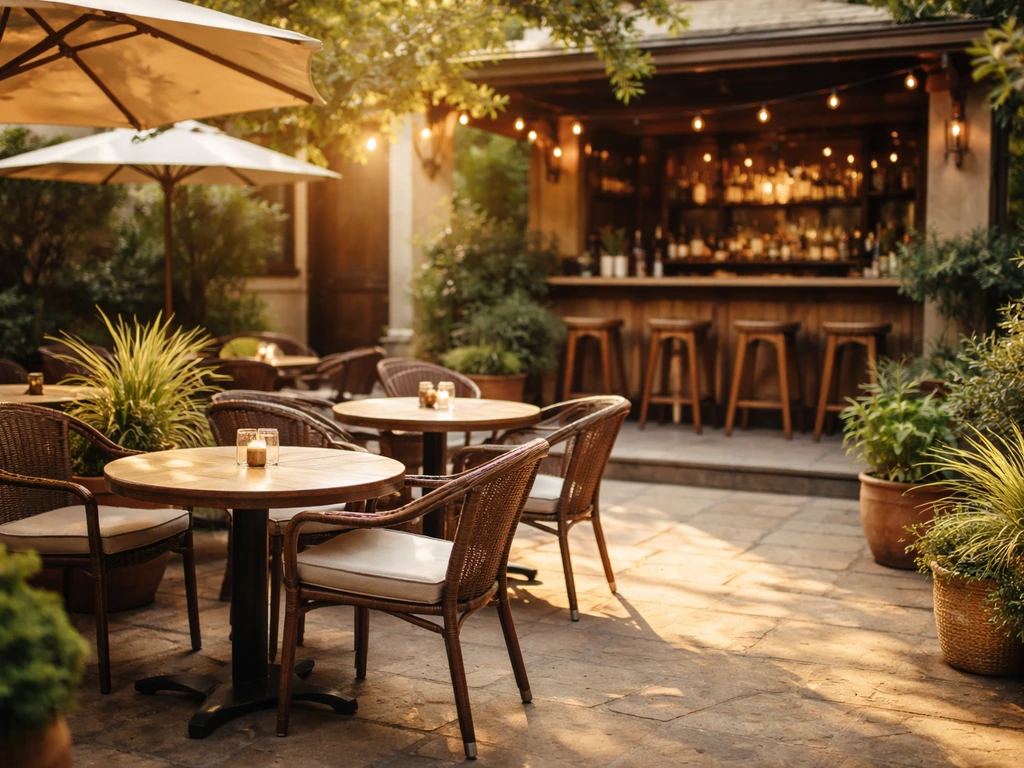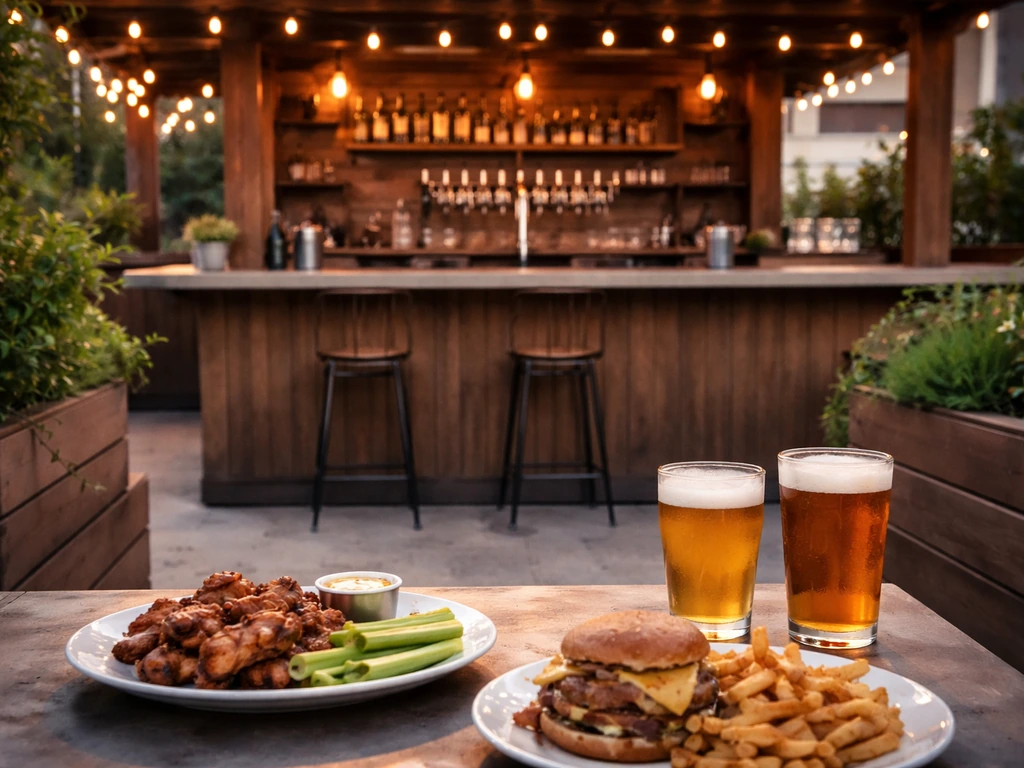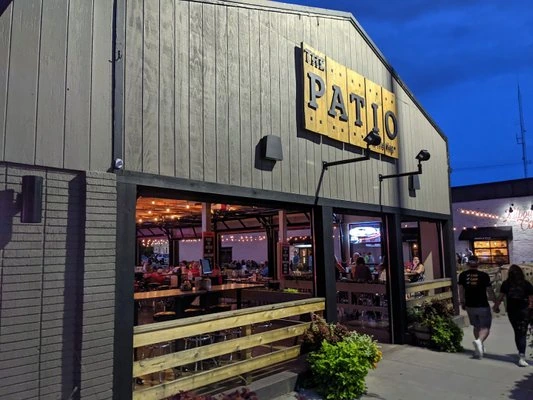
When people search 'patio bistro grill reviews,' they are almost always looking for reviews of a restaurant, not a backyard appliance. Specifically, they want to know which patio-forward grill or bistro-style restaurant nearby is worth their time, money, and a potentially sweaty seat in the sun. This guide is built for exactly that: helping you read, cross-check, and trust reviews so you can pick the right outdoor dining spot today, whether you're planning a date night, a group hangout, or just a casual weeknight meal outside.
Patio Bistro Grill Reviews: How to Choose the Best

Peter Morrison
29 Apr 2026

What 'patio bistro grill reviews' actually means (hint: it's a restaurant)

This keyword gets a little muddled because 'patio bistro grill' is also the name of a line of compact grills sold in hardware stores. But if you're on a site that aggregates outdoor dining experiences across North America, you're in the right place. You're searching for a bistro or grill-style restaurant that has a notable patio, and you want to know what other diners actually thought about it. Reviews in this context cover everything: the food coming off the kitchen's grill, the bistro-style menu, the vibe of the outdoor space, whether service holds up on a busy Friday, and if the drinks are worth ordering. That's the lens this whole guide uses.
It's also worth knowing that 'patio bistro grill' as a restaurant concept spans a wide range of venues. Some lean casual with picnic tables and cold beers. Others are more polished with string lights, cocktail menus, and reservations filling up by Thursday afternoon. The reviews you find can tell you which end of that spectrum a place sits on, but only if you know how to read them right.
How to read patio and grill restaurant reviews without getting fooled
Not all reviews are created equal, and learning to spot the useful ones from the noise is genuinely half the battle. Here's what I've learned from sifting through hundreds of them.
Sort by recent, not just by rating

Always flip the sort order to 'most recent' first on any platform, whether that's Yelp, TripAdvisor, Google, or OpenTable. Patio-heavy restaurants change a lot, especially after seasonal reopenings, ownership shifts, or menu overhauls. A three-year-old glowing review about the covered patio and the smoked brisket means nothing if the kitchen changed hands last fall. TripAdvisor specifically lets you sort by date, and Yelp surfaces recent, relevant reviews first by default, but it's worth manually checking the newest entries. Travelers and diners consistently say recent experience is what matters most to them, and review platforms are designed around that same logic.
Look for patterns, not one-offs
One bad review about a rude server on a Saturday night could mean anything. Five reviews in a row mentioning slow service on weekends? That's a real pattern worth taking seriously. The same goes for praise. If a dozen people in the last six months mention the same dish, the same shaded corner of the patio, or the same bartender by name, you can trust that. Yelp research has shown that restaurant star ratings are remarkably consistent across different reviewer types and visit occasions, which means the aggregate score tends to reflect genuine quality rather than isolated flukes.
Watch for review manipulation flags
blank" rel="noopener noreferrer">Yelp publishes 'Suspicious Review Activity Alerts' on business pages when their systems detect things like a flood of five-star reviews from the same IP address, or coordinated and incentivized review campaigns.
If you see one of those alerts on a page, treat the rating with serious skepticism. A legitimate patio bistro grill earns its 4. If you're comparing options, you can also look at Char Broil Patio Bistro 180 reviews to see what recent diners consistently mention about the patio, food, and service.
If you're comparing Patio Burger & Ice Cream Co reviews, focus on recent notes about the burger and ice cream quality, plus whether the patio service stays consistent during busy hours patio bistro grill earns its 4. 2 stars one burger and one sunset view at a time, not through a coordinated push the week before summer. TripAdvisor runs similar moderation and requires that reviews be based on first-hand experience.
Venues that respond to reviews and post real photos also tend to generate more authentic engagement, which is a good sign you're looking at a real community of diners.
Use multiple platforms together
Cross-referencing at least two platforms before committing to a reservation is a habit worth building. A place might have 4.5 stars on Google but a Yelp page with fresh complaints about the patio being overcrowded. OpenTable's Diners' Choice ratings specifically evaluate food, service, ambiance, and value on a 5-point scale, which makes them especially useful for a quick side-by-side comparison. Zomato and similar platforms break down aggregate scores into subcategories like food, service, and ambience, which helps you prioritize what matters most for your specific visit.
Patio-specific criteria: what reviewers actually notice outside

The patio itself deserves its own evaluation, separate from the food. I've eaten incredible food on patios I'd never sit on again because the sun was brutal, the traffic noise was relentless, and the chairs felt like lawn furniture from 2003. Here's what to look for in reviews specifically about the outdoor space.
- Shade and sun coverage: Does the patio have umbrellas, a pergola, or a covered section? Reviews often mention whether afternoon sun makes it unbearable, especially for west-facing patios.
- Seating comfort: Metal folding chairs versus cushioned bistro seats is a real difference over a two-hour dinner. Look for mentions of comfort or 'great seating' in detailed reviews.
- Noise levels: Street traffic, nearby bars, live music, or just a badly designed space can kill a conversation. Reviewers who specifically mention 'loud' or 'can't hear each other' are giving you valuable intel.
- Layout and spacing: Cramped patio layouts come up constantly in reviews. Look for words like 'tight,' 'elbow to elbow,' or conversely 'spacious' and 'well spread out.'
- Bug and weather management: Misters, heaters, bug control, and wind barriers matter a lot in North American climates. These details often show up in reviews from spring and fall visits.
- Ambiance and lighting: String lights, candles, greenery, and overall vibe drive a lot of evening patio reviews. If the atmosphere section of a review reads like someone describing a backdrop for Instagram, that's usually a good sign the place nailed the look.
Restaurants with over 20 reviews on TripAdvisor see about twice as much engagement as those with none, and that volume of reviews makes it much easier to find consistent mentions of these patio-specific details. For newer spots with thinner review counts, check their photo gallery closely. Photos of the patio at different times of day and different seasons tell you more than a handful of generic reviews.
Food and grill expectations: what to look for in menu quality, consistency, and value
A patio bistro grill lives or dies on two things: the quality of what's coming off the grill, and how consistent it is visit after visit. Reviews on Yelp and similar platforms tend to cluster around a few key topics when it comes to food: quality of the core proteins (burgers, steaks, grilled chicken, seafood), freshness of sides and salads, portion sizes relative to the price, and how well the kitchen holds up on a busy night versus a quiet Tuesday.
For bistro-style patio spots, also look for reviews that mention menu range. A true bistro grill usually balances heavier grilled items with lighter fare: salads, charcuterie boards, flatbreads, or seasonal specials. If reviewers consistently say 'not much for non-meat eaters' or 'limited options,' that's worth knowing before you show up with a vegetarian friend. Value tends to be a loaded topic in reviews, but look for patterns around portion size and whether people feel the price matched the experience, especially for outdoor dining where the setting itself is part of what you're paying for.
Consistency is the underrated marker. One perfect meal at a patio grill is nice. Repeated reviews over several months all saying the same things about the same dishes means the kitchen has its act together. Inconsistency in reviews, where one person raves about the ribs and the next says they were dry and overcooked, should put you on alert. It often signals either high staff turnover or a kitchen that struggles under volume, both of which matter more on a packed patio night.
Drinks and service: what the ratings are really telling you

Service and drink quality are two of the biggest drivers of restaurant review sentiment, alongside food and ambience. For a patio bistro grill specifically, service on the outdoor section often gets rated separately from indoor service. Look for reviewers who mention wait times for drinks, whether the server had to run back inside frequently, and how attentive the staff was during peak outdoor seating hours. These details reflect the operational reality of running a busy patio.
On the drinks side, craft beer selections and seasonal cocktails come up constantly in positive patio reviews. A well-curated tap list or a house sangria that people mention by name is a good sign the venue takes its drink program seriously. Wine lists at patio bistro grills tend to lean approachable rather than deep, and that's fine. What reviewers really care about is whether drinks arrive promptly and whether the bartender or server makes good recommendations. If you see multiple reviews praising a specific cocktail or calling out a server by name for great recommendations, that's a venue that invests in the experience.
Management responses to reviews are another useful signal. TripAdvisor data shows that restaurants whose management responds to reviews tend to earn higher average ratings and more traveler interest over time. A venue that takes the time to address both compliments and complaints publicly is usually one that actually cares about what's happening on that patio.
How to choose the right patio bistro grill for your specific situation
Not every great patio restaurant is the right patio restaurant for every occasion. Here's how to match the venue to your needs using what reviews tell you.
| Occasion | What to prioritize in reviews | Red flags to watch for |
|---|---|---|
| Date night | Ambiance, lighting, noise level, drink quality, service attentiveness | Reviews mentioning loud crowds, slow service, or cramped seating |
| Group gathering (6+) | Patio layout, table availability for large parties, group-friendly menu, waitstaff capacity | Reviews complaining about split checks, long waits for large tables, or inattentive servers |
| Casual solo or couple visit | Value, menu variety, patio comfort, speed of service | Overly formal atmosphere, mandatory reservations for small parties, limited drink options |
| Family outing | Kid-friendly menu, shaded seating, noise tolerance, accessible parking | Reviews noting the patio is adult-oriented, no kids' options, or hard to access with strollers |
For a date night, you want a patio that feels intentional. String lights, manageable noise, comfortable seating, and a drinks list that gives you something to talk about. For a group, layout matters more than ambiance: can they actually seat eight of you together, and will the server be able to manage a big table on the patio without everything falling apart? Casual visits are more forgiving, but value and speed of service start to matter more. And if you're bringing kids, look specifically for reviews from families, because a patio that works beautifully for a couples' dinner can be completely impractical with a five-year-old.
It's also worth checking whether the venue you're eyeing has been reviewed alongside comparable spots in your area. Places like Patio 66 Bar and Grill or Onset Patio and Grill each have their own community of reviewers who can give you a regional benchmark for what a good patio dining experience looks like in their market. Cross-referencing those kinds of community-specific review profiles helps you calibrate expectations before your first visit.
Quick checklist and next steps to book or visit today
Here's the practical rundown. You can do all of this in about 20 minutes before making a reservation or just showing up.
- Search the venue on at least two platforms (Google + Yelp, or TripAdvisor + OpenTable). Sort reviews by most recent on each and read the last 10 to 15 entries before looking at the overall star score.
- Look for consistent patterns in both positive and negative reviews. Focus on mentions of the patio specifically: shade, noise, seating, and ambiance.
- Check the photo gallery. Look for patio photos taken at different times of day and different weather conditions. If there are no patio photos, that's telling.
- Look at the menu online before you go. Confirm it has options for everyone in your group, and check prices to set realistic value expectations.
- Call the restaurant directly to ask about patio reservation policies. Ask: Do they take reservations for patio tables? Is there a wait on weekends? Is the patio covered or heated for cooler evenings?
- Confirm parking and access, especially for groups. Reviews often mention this, but a quick Google Maps check or a direct call takes 90 seconds.
- If you see any platform alert about suspicious review activity on the venue's page, factor that heavily into your decision and weight the most detailed, verified reviews more than the star score.
- Book or plan your visit and check the weather forecast. If the patio has limited shade or no cover, a 90-degree afternoon or a sudden rain can reshape your whole experience.
The best patio bistro grill for you isn't necessarily the one with the highest overall rating. It's the one whose recent reviews, patio setup, menu, and service style match exactly what you're walking in expecting. If you want a quick example of how this looks in practice, check out the Char Broil Patio Bistro 360 review. Spend 20 minutes doing this homework and you'll walk onto that patio with a lot more confidence and a lot less chance of being disappointed by a detail you could have seen coming.
FAQ
How can I tell if a patio bistro grill review is about the patio or about the restaurant in general?
Scan for terms like “outdoor seating,” “covered patio,” “heat,” “traffic noise,” or “servers on the patio.” If the review mainly discusses parking, bathrooms, or indoor ambiance, treat it as less relevant and rely more on patio-specific photos and mentions.
What if the newest reviews are mixed, but the overall rating is high, which should I trust?
Favor recent reviews but check whether the negatives cluster around a single issue (for example, long weekend waits) versus random one-off complaints (like a single bland dish). Consistent recent praise plus isolated complaints usually points to normal variability, while repeated recent negatives suggest the current experience is different.
Should I avoid places with only a few reviews, or can I still make a good choice?
You can still choose, but you must compensate by using photo evidence more heavily. Look for multiple patio photos at different times of day, and prioritize reviews that describe service timing and whether the patio gets crowded, since those details matter even when overall volume is low.
How do I evaluate food quality without relying solely on star ratings?
Use reviews to track which dishes are repeatedly praised or criticized, especially the patio “core proteins” (burgers, chicken, steaks, seafood) and how people describe freshness. Also watch for comments about how food holds up in outdoor conditions, like whether items arrive hot and whether salads are visibly crisp, not soggy.
What are good red flags specific to patio dining that often show up in reviews?
Red flags include reviews describing chairs that are uncomfortable for long stays, poor shade coverage during peak sun, strong traffic or noise that ruins conversation, and wait times for drinks that force you to repeatedly flag staff. These usually appear in multiple reviews, even if the menu reviews look fine.
How can I check whether a patio bistro grill works for vegetarians or non-meat eaters?
Search reviews for phrases like “limited options,” “not much for vegetarians,” or mentions of specific meatless items (flatbreads, salads, charcuterie boards, seasonal specials). A helpful sign is when reviewers explicitly discuss what they ordered besides a burger or steak and how satisfying it was.
Are OpenTable or Diners’ Choice style ratings enough, or should I still cross-check other sites?
You should cross-check, because platforms can emphasize different things. If OpenTable focuses on overall experience while another site’s newest reviews complain about patio crowding or service delays, treat the patio-specific complaints as the deciding factor for outdoor seating.
What should I do if I’m going with a group and reviews mostly mention couples or small tables?
Look for reviews that mention “large party,” “we were seated together,” or “split our table” and pay attention to whether service fell apart during peak hours. If you find nothing, reduce risk by calling ahead and asking how they handle separate check requests and whether there is a dedicated patio seating arrangement for groups.
How do I judge drink quality when reviews mention drinks, but not the details I care about?
Pay attention to specificity. Reviews that name a cocktail, describe whether recommendations were good, or mention how fast drinks arrived are more actionable than generic praise. Also check for comments about whether the bar is slow during patio rushes, since that often drives negative sentiment.
Should I prefer restaurants where management responds to reviews, or is that just marketing?
Management replies can be a useful signal, but look at the content quality. Reputable responses usually address the actual complaint (wait times, patio crowding, missing items) and indicate a corrective action or genuine explanation. Vague replies to serious issues are less reassuring.
What’s the best way to plan around seasonality if I’m reading last year’s reviews?
Use the sort-by-most-recent feature and also filter your reading by the season you’ll visit. Patio conditions change with reopenings, weather systems, and staffing, so last summer’s praise for shade may not apply if the layout or service team changed in the last few months.
Is it worth comparing nearby “patio” restaurants as a benchmark, or is one place’s reviews enough?
Benchmarking helps, especially in areas where patio culture varies. If several local restaurants get similar praise for food but one consistently gets complaints about noise or crowding, you can adjust expectations and avoid the “same menu, different patio reality” trap.