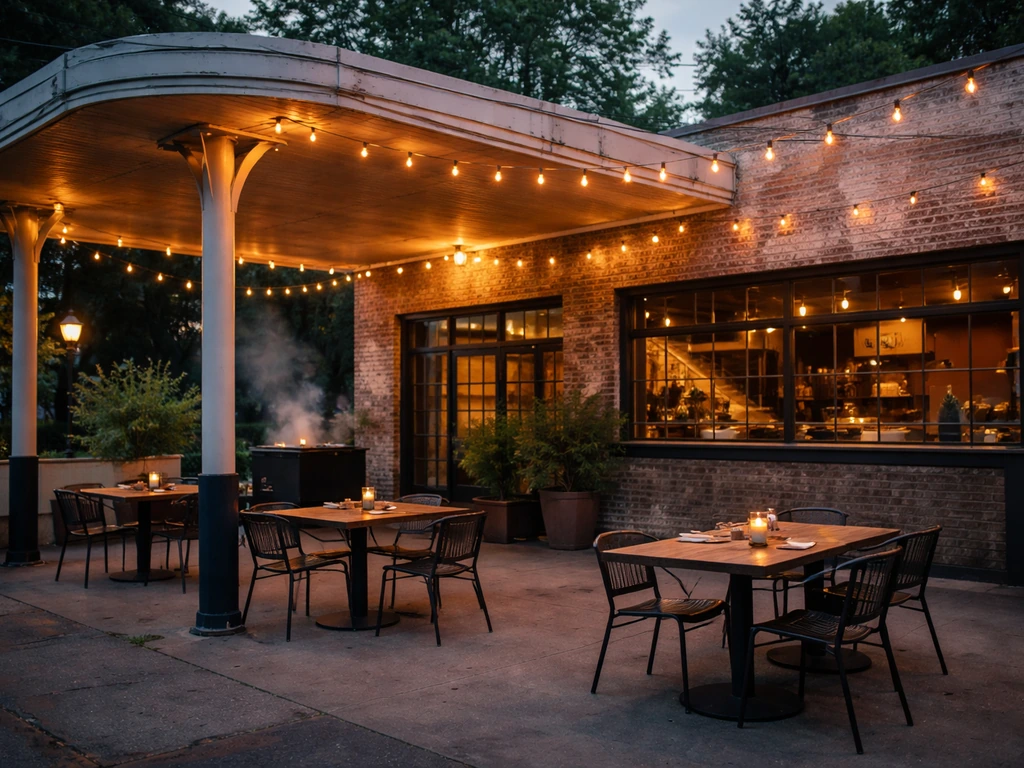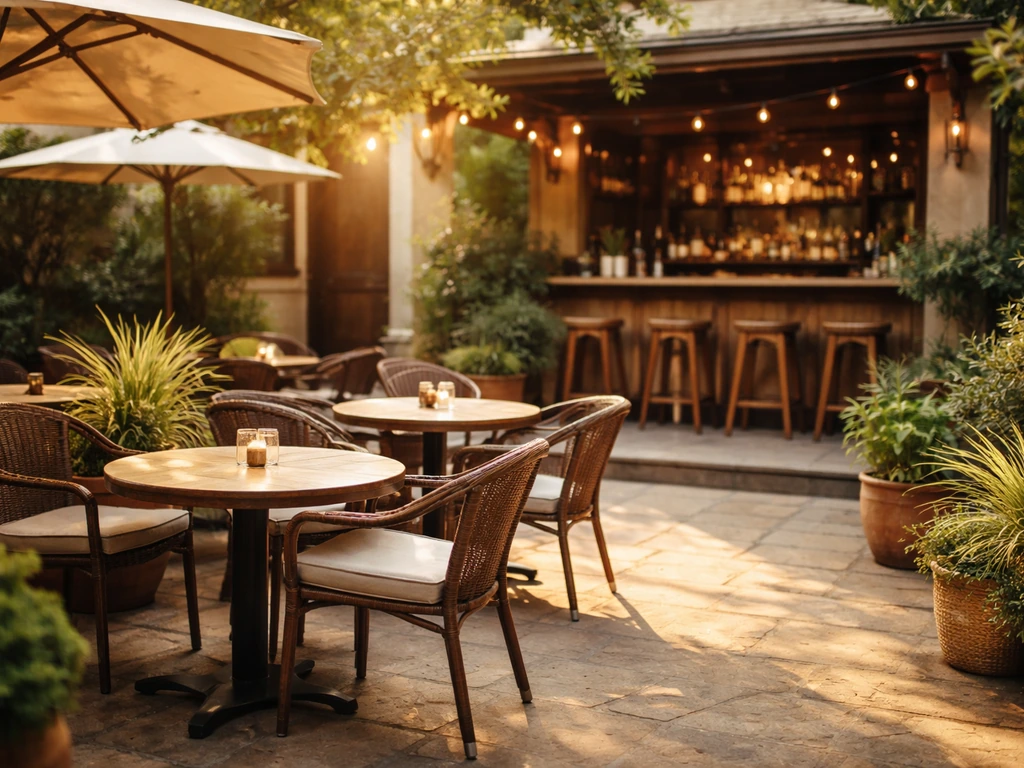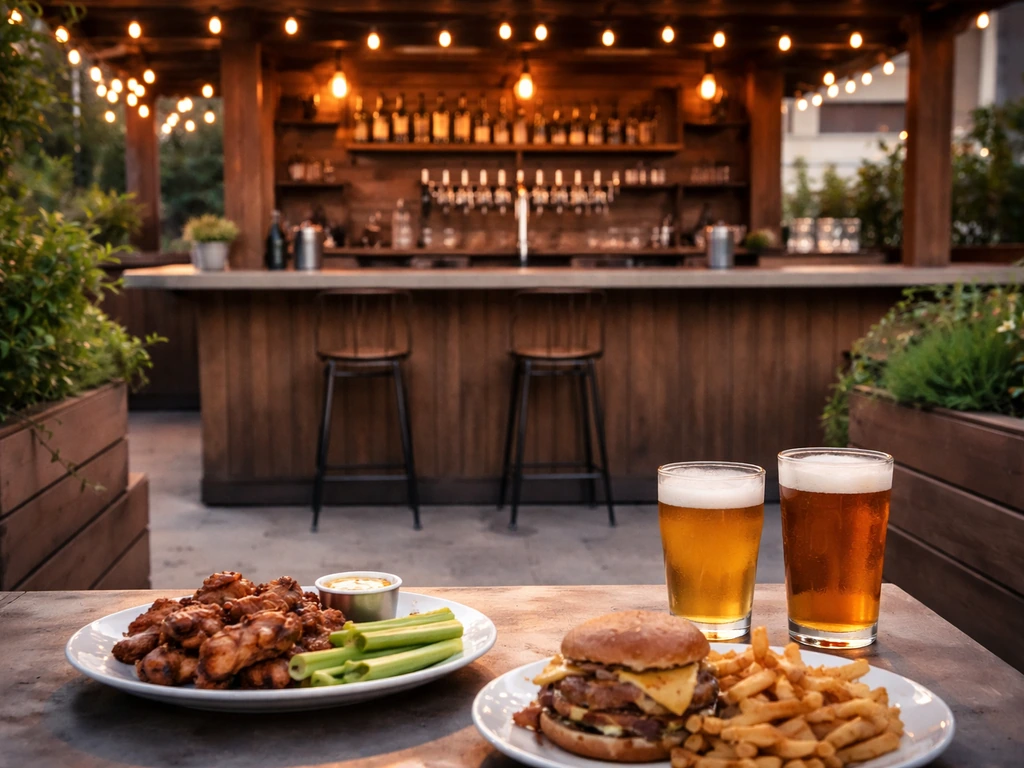
When you search 'tickets restaurant & patio reviews,' there are two things going on at once. First, 'Tickets' is likely the actual name of a specific restaurant with a patio, not a reference to buying event passes. Second, even if a venue does use a ticketed or prepaid reservation system (like OpenTable Ticketed Experiences or Tock), that changes how you book and show up, not necessarily whether the food and outdoor vibe are worth your time. Here's how to untangle both and figure out exactly what you're walking into before you leave the house. If you want to go straight to the numbers, use 525 restaurant and patio reviews to compare what people actually say about the patio vibe and service.
Tickets Restaurant & Patio Reviews: What to Check Before You Go

Peter Morrison
29 Apr 2026
What 'tickets' actually means in restaurant and patio reviews
Nine times out of ten, when you see 'Tickets Restaurant & Patio' pop up in search results, you're looking at a venue whose name is literally Tickets, not a signal that you need to buy event passes. Restaurant review pages on platforms like OpenTable list the venue name at the top, and if that name happens to be 'Tickets,' it can look confusingly like a ticketing prompt. Check the page carefully: a standard review listing will show hours, a menu link, and diner reviews without any upfront payment required. That's regular table-service dining.
That said, some restaurants (including patio-focused spots) do run genuinely ticketed experiences. OpenTable defines these as paid purchases tied to a specific date, time, and experience, where your card is charged at booking rather than at the table. Tock works similarly, offering what it calls prepaid or deposit-backed reservations with a set number of 'tickets' per start time, such as 60 seats at 2pm and another 60 at 5pm. If a venue is running a ticketed night, the review page will usually mention terms like 'prepaid,' 'non-refundable deposit,' 'experience included,' or 'sold out quickly.' Those phrases are the real signals. A venue name alone isn't.
How to tell the difference fast
- Look for a 'Book Experience' or 'Purchase Tickets' button versus a standard 'Make a Reservation' button. Different call-to-action, different model.
- Scan recent reviews for words like 'deposit,' 'prepaid,' 'included in the price,' or 'tickets released at noon.' Those confirm a ticketed format.
- Check if the listing shows per-person pricing upfront. Standard reservations don't do that; ticketed experiences always do.
- If reviews mention strict arrival windows or forfeited deposits for late cancellations, you're dealing with a Tock-style prepaid seat, not a regular walk-in patio.
How to use patio review sites to size up a restaurant quickly
A dedicated patio-bar and outdoor-dining review platform gives you a much sharper picture than a general-purpose review app, because the criteria are built around outdoor dining specifically. Instead of wading through comments about parking and soup temperature, you get focused feedback on the stuff that actually matters for a patio visit: shade coverage, seating layout, noise from the street, drink selection, and whether the grill food holds up when it travels across an open-air space. When you land on a venue's review page, start with the most recent reviews (last 60 to 90 days) and look for patterns, not outliers.
Sort by rating to find both the highest and lowest scores quickly. Read two or three from each end. The truth almost always lives in the middle. Then look at the reviewer's history if the platform shows it: someone who reviews five patios a month carries more weight than a one-time poster who's furious about a 20-minute wait. Platforms that aggregate ratings across atmosphere, food, drinks, and service separately let you cut to whatever matters most for your specific trip. Going for a date-night cocktail hour? Weight the atmosphere and drink scores. Taking a group of eight for a birthday dinner? Focus on seating capacity and service pace.
The patio criteria that actually matter
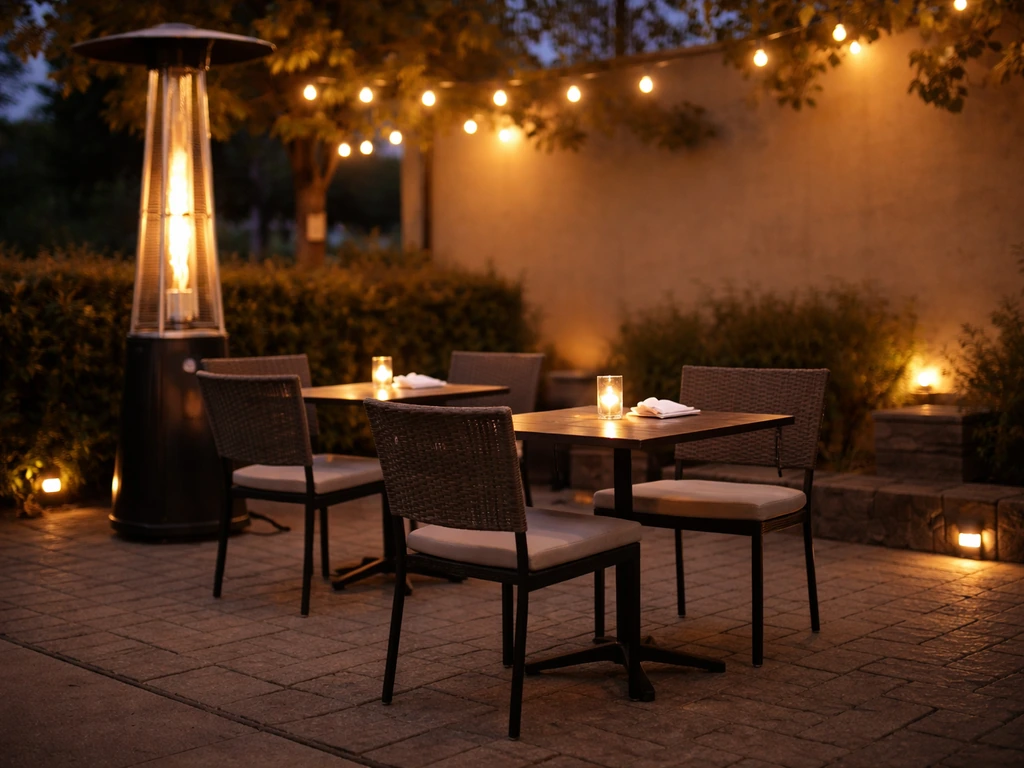
Not all patios are created equal, and reviews that don't break down the outdoor experience specifically aren't very useful. Here's what to look for in the text and ratings when you're evaluating a patio-bar or grill venue. For real-world rpm full service patio pub & grill reviews, scan how people describe the grill food, drink service, and overall patio vibe in the most recent posts.
| Criteria | What good reviews say | Red flag phrases |
|---|---|---|
| Atmosphere & vibe | Lively but not chaotic, string lights, well-maintained space, consistent crowd energy | 'Dead on arrival,' 'felt like a parking lot,' 'awkward layout' |
| Seating comfort | Cushioned chairs, sturdy tables, enough spacing between parties | 'Metal chairs with no padding,' 'tables wobble,' 'packed in like sardines' |
| Weather coverage | Retractable awnings, misters, ceiling fans, heated lamps for cooler nights | 'No shade at all,' 'baking in the sun,' 'rained out with nowhere to go' |
| Noise level | Conversational volume, music audible but not overpowering, minimal street bleed | 'Had to shout across the table,' 'DJ was too loud,' 'traffic noise constant' |
| Overall vibe match | Described as date-friendly, group-ready, or family-suitable depending on your need | 'Vibe shifts late,' 'more bar than restaurant after 9pm,' 'kids felt out of place' |
Atmosphere and vibe are subjective, but they show up consistently in reviews when they're either really good or really bad. A patio that gets called out for great string lighting and a relaxed crowd in five separate reviews over three months is probably delivering that reliably. One glowing review about the 'amazing ambiance' from a single visit tells you almost nothing.
Scoring the food, drinks, and service
For a grill-focused patio restaurant, the food reviews should be specific about what's coming off the grill. Vague praise like 'the food was great' is useless. You want to see people naming dishes, talking about cook temperatures, mentioning whether the kitchen kept pace during a busy Saturday night. Grill items lose quality fast if the kitchen is overwhelmed or if food sits before it reaches an outdoor table, so look for comments on timing and temperature specifically.
Drink programs matter a lot on patios. A well-curated cocktail list, a rotating tap selection, or a solid wine-by-the-glass lineup can carry an entire outdoor session. Look for reviews that mention signature cocktails by name, comment on pour sizes versus price, or call out a knowledgeable bartender. Craft beer variety and local tap options are a strong positive signal for a patio bar. On the flip side, complaints about watery drinks, limited options, or a bar that runs out of popular items on a weekend are worth taking seriously.
Service on a patio is genuinely harder than indoors. Tables are spread out, servers cover more ground, and outdoor environments create more distractions. Reviews that praise attentive service specifically in the patio section (not just the interior) carry extra weight. Watch for mentions of how long it took to get drink refills, whether servers were proactive about checking in, and how the kitchen handled modifications or dietary requests.
Menu specials and seasonal offerings
Patio restaurants with rotating specials, happy hour pricing, or seasonal menu items tend to attract regulars who leave more consistent review data over time. If reviews mention a specific happy hour window (say, 4pm to 6pm with half-price apps), that's a strong logistical detail you can verify directly with the venue before showing up. Seasonal cocktails and grill specials also signal a kitchen that's paying attention, which generally translates to better overall quality.
Booking, wait times, and patio logistics

Patio seating at popular spots fills up fast, especially on Friday and Saturday evenings from May through September. If a venue uses a ticketed or prepaid reservation system, reviews will often mention how quickly availability disappears, with phrases like 'booked out weeks in advance' or 'tickets released Monday at noon.' That's your cue to plan well ahead. For standard reservations, OpenTable and similar platforms will show real-time availability, but always call ahead if you're bringing a group larger than six because many patios have a maximum party size for online bookings.
Group logistics on a patio are a different beast from a two-top dinner. Tables for eight or more often need to be requested specifically, and some patios won't guarantee a single large table without an advance deposit. Reviews from group visitors are gold here: they'll mention whether the venue actually accommodated a large party smoothly or split them up awkwardly across two tables with one server stretched thin. Look for those details before organizing a birthday dinner or work outing.
Accessibility is worth checking directly if anyone in your group has mobility needs. Patio surfaces, especially brick, gravel, or uneven stone, can be difficult for wheelchairs or walkers. Review platforms don't always capture this reliably, so a quick phone call to confirm paved access, ramp availability, and accessible restroom proximity is worth the two minutes.
Patio-specific policies to verify before you go
- Reservation vs. walk-in: some patios are first-come-first-served even when the interior takes reservations.
- Ticketed event nights: confirm whether a specific date is a normal service night or a prepaid ticketed experience with different pricing.
- Pet and child policies: outdoor patios often allow dogs, but policies vary widely, and reviews from families or pet owners will flag this.
- Weather cancellation policy: for ticketed patio events especially, understand the refund or reschedule policy before paying upfront.
- Last seating time: patios often close earlier than the interior, sometimes by an hour or two, especially on weeknights.
Finding trustworthy reviews near you
On a patio-focused review platform, use location filters first to narrow results to your city or neighborhood, then layer in patio type. A rooftop bar experience is very different from a ground-level garden patio or a covered deck attached to a grill restaurant. Most platforms let you filter by venue type, and some include patio-specific attributes like 'covered,' 'dog-friendly,' 'live music,' or 'waterfront.' Those filters cut your shortlist from twenty options to three or four that actually match what you're looking for.
Once you've filtered, pay attention to review volume and recency together. A venue with a 4.6 average across 200 reviews is much more meaningful than a 4.8 from 12 reviews. Seasonal venues especially can have inflated ratings from a single good summer, so check whether reviews span multiple seasons or just one rush period. For venues similar in style to what you're searching, it's worth reading review threads for comparable spots in the same silo to calibrate your expectations before landing on a final choice.
Red flags in reviews and how to read conflicting opinions
Conflicting reviews are normal, but some conflicts mean more than others. When one person gives five stars and another gives two stars for the same visit window, look at the specific details each person mentions. If the five-star review is all about the drinks and vibe while the two-star review is specifically about cold food and a 45-minute wait, those aren't actually contradicting each other, they're describing two different parts of the same experience. You now know: great bar program, potentially slow kitchen on busy nights.
Pattern-based red flags are the ones to take seriously. A single complaint about a rude server could be a bad night. Three reviews in six weeks all mentioning the same issue (slow service, no weather protection, noisy street traffic) is a structural problem the venue hasn't fixed. Those patterns are worth weighing heavily, especially if management responses are absent or defensive.
Specific red flag phrases to watch for
- 'Used to be better' or 'not what it was last year': signals a recent drop in quality, possibly new management or kitchen turnover.
- 'Great for photos, not for dining': the space looks good but the food and service don't back it up.
- 'Tickets/reservations required but no one told us': points to poor communication about booking requirements, especially relevant for ticketed patio events.
- 'Patio was closed without notice': weather policy or staffing issues that could affect your visit.
- 'Staff seemed overwhelmed': a consistent staffing problem, not a one-off bad night.
- 'Charged us anyway' or 'deposit not returned': serious flag for any venue using a prepaid or ticketed booking model.
Your pre-visit checklist
Before you commit to a reservation or purchase tickets for any patio dining experience, run through these quick steps to make sure you're not getting any surprises at the door.
- Confirm whether the venue is using standard reservations or a ticketed/prepaid model by checking the booking button type and any upfront pricing shown.
- Read the 10 most recent patio-specific reviews, filtering for mentions of outdoor seating, atmosphere, and service pace.
- Check the review date range: warm-weather reviews from spring and summer are most relevant for a patio visit.
- Verify hours directly with the venue, especially patio closing time and any ticketed event nights that change the normal service flow.
- For groups of six or more, call ahead to confirm table configuration, deposit requirements, and accessibility of the patio area.
- Look for management responses to negative reviews: how a venue handles criticism tells you almost as much as the complaint itself.
- Cross-check one or two review platforms to spot any consistent issues that appear across multiple sources, not just one.
The goal is simple: you want to walk in knowing what the patio actually delivers on a normal night, not what it looks like in the venue's own photos. Reviews are your best shortcut to that reality check, as long as you know what to look for and how to filter out the noise. If you're also checking azur restaurant and patio reviews, use the same patio-focused details like outdoor atmosphere, drink quality, and how quickly the kitchen keeps up on busy nights. If you're hunting specifically for 730 Tavern Kitchen & Patio reviews, look for the same patio-focused details like outdoor atmosphere, drink quality, and how quickly the kitchen keeps up on busy nights.
FAQ
How can I tell if “Tickets” is a restaurant name or a paid reservation system before I book?
Open the listing and look for booking language, not just the word “ticket.” If you see checkout-style prompts, a non-refundable deposit, or “prepaid” language tied to a specific date and time, it is ticketed. If the page shows hours, a menu, and standard “reserve a table” behavior, it is almost certainly a normal restaurant with “Tickets” as the venue name.
What should I do if the reviews mention “sold out quickly” but I want to go anyway?
Treat “sold out” as a scheduling constraint, not a food-quality verdict. Try booking earlier time slots, check for same-day releases if the platform supports them, and call the venue to confirm whether they hold a small number of tables for walk-ins or cancellations.
Are patio “rating averages” reliable, or should I ignore them?
Use averages only as a starting filter. A high rating based on a small review count can swing with one good week, especially for seasonal patios. Prefer venues with review volume that spans multiple months, and compare the most recent 60 to 90 days for whether the patio experience is holding up.
What is the best way to evaluate whether the patio is noisy?
Look for repeated mentions of specific noise sources, not general complaints. Reviews that reference street traffic, loud music, or speakers echoing outdoors are more actionable than vague statements like “bad ambiance.” If possible, cross-check with weekday vs weekend reviews to see if noise spikes on certain nights.
How can I tell from reviews whether the kitchen can handle a busy patio crowd?
Prioritize comments about timing and “when food arrived.” Look for words like “slow kitchen,” “long gaps between courses,” “food cold before it reached the table,” and how frequently they occur during peak weekends. If only one reviewer complains and others mention consistent pacing, it may be a one-off service issue.
Do patio review comments about drink quality usually mean craft cocktails, or just standard bar service?
Check whether reviewers name specific cocktails, taps, or wine-by-the-glass items. Named mentions and detailed critiques (pour size, whether cocktails are watered down, or whether popular beers ran out) are stronger signals than short praise like “good drinks.”
How should I weigh conflicting reviews, for example great drinks but bad food or slow service?
Map reviews to the patio workflow. If good drink comments align with poor food or timing comments, it suggests the bar is staffed well but the kitchen or runner support may struggle under load. Decide what you value most, then filter accordingly (atmosphere and drink scoring vs food and pacing scoring).
What group details should I look for if I’m booking a party larger than six?
Scan for mentions of large-table requests, deposits, or whether big parties get split across multiple tables. Patio venues often have stricter party-size policies than indoor dining, so reviews that describe awkward seating, slow shared ordering, or one overwhelmed server are key warnings.
Is accessibility for patios something I can assume from review ratings?
Do not assume it. Reviews rarely capture step-by-step access (ramp vs curb cuts, restroom route, uneven surfaces). If anyone in your group uses a wheelchair or walker, call ahead to confirm paved entry, ramp slope, and the closest accessible restroom from the seating area.
What should I verify about seating comfort on patios (shade, heat, weather cover)?
Look for “shade coverage,” “wind,” “rain protection,” and “covered vs uncovered” references that appear repeatedly. If reviews only mention photos or one-off comfort, ask the venue whether the patio area is covered, whether heaters or fans are used seasonally, and how seating changes on busy nights.
If reviews mention “happy hour” or “seasonal specials,” how do I avoid surprises?
Use the timing details as a checklist. When someone cites a specific window and pricing, confirm it directly with the venue because promotions can change. Also check whether specials apply to the patio area specifically, since some venues restrict discounts to indoor bar seating.